If you’re planning a roof replacement in Atlanta, you’ll want a realistic cost range and a clear list of what drives price changes so you can budget and compare bids. Typical totals vary by material, roof size, pitch, and local permits, and unexpected decking or flashing repairs can push estimates higher. Keep these factors in mind as you get quotes—there’s more to weigh up before you pick a contractor.
Average Roof Replacement Prices in Atlanta, GA
When you’re planning a roof replacement in Atlanta, expect average costs to range between $7,000 and $12,000 for a typical 1,700–2,000 sq. ft. home depending on materials, labor, and complexity.
You’ll find asphalt shingles are the most common, offering a balance of cost and durability, while metal or architectural shingles raise the price.
Get multiple estimates so you can compare warranties, tear-off fees, and crew experience.
Watch for seasonal pricing—rates can spike during peak spring and summer months or after storms when demand surges.
If damage is covered, document everything clearly to support insurance claims and streamline approvals.
Plan a contingency of 10–15% for unexpected issues so you won’t be surprised by final costs.
Factors That Affect Roof Replacement Costs Locally
Now that you know typical Atlanta roof replacement prices and what to budget for, let’s look at the local factors that actually drive those numbers.
You’ll see seasonal weather affects scheduling and labor costs — heavy rains in spring and humid summers can delay work, force tarp usage, or require more drying time, all adding expense.
Property access and roof pitch matter: steeper roofs or limited driveway space raise labor and equipment needs.
Local permitting and inspection fees vary by neighborhood and can add days and dollars.
If you belong to a homeowners association, HOA regulations may require specific materials, colors, or installer credentials, which can limit options and increase cost.
Finally, contractor demand and supply shortages locally influence bids.
Cost Breakdown by Roofing Material
Although your final bill depends on roof size and local labor, material choice is the single biggest cost driver—each option brings different upfront prices, lifespans, maintenance needs, and installation complexities.
You’ll find asphalt shingles are the most budget-friendly, with moderate durability and simple installation. Architectural shingles cost more but last longer and improve curb appeal. Metal shingles carry a higher upfront price but offer exceptional longevity, low maintenance, and energy savings. Wood shake gives a rustic look but needs regular upkeep and is pricier over time. Synthetic slate mimics real slate without the weight and cost, providing long life and lower installation complexity. Tile is durable and heavy, often increasing structural requirements. Choose based on budget, desired lifespan, and maintenance willingness.
Labor and Permitting Expenses in Atlanta
Because labor makes up a large portion of your roof replacement cost in Atlanta, you should understand how contractor rates, crew size, and project duration affect the final bill.
You’ll pay higher hourly or per-square-foot rates when experienced crews are needed or when Labor shortages push demand above supply.
Faster crews lower overall labor hours but may charge premium rates; smaller crews can stretch a job, increasing time-related costs.
Permit timelines also influence scheduling and labor expenses—delays can force crews to wait or reschedule, adding labor overhead. Factor in permit fees, inspection windows, and possible reinspection costs.
To control costs, get multiple bids, confirm crew availability, and check how each contractor handles permit procurement and contingency plans for Labor shortages.
How Roof Size and Pitch Influence Price
When you size up a roof, its total square footage and steepness directly shape material needs, labor hours, and safety requirements—larger roofs mean more shingles and underlayment, while steeper pitches demand additional fall protection and slower, more careful work.
You’ll see roof geometry determine how crews stage materials and break the job into manageable sections; complex hips, valleys, and multiple planes increase cuts and waste.
The slope impact shows up in labor rates—steeper roofs often carry higher per-square costs because installers move cautiously and use specialized equipment.
You should expect roofers to factor accessibility, footprint, and pitch into estimates. By comparing bids that specify roof geometry and slope impact, you’ll pick the most transparent, fair price.
Costs for Replacing Underlayment, Flashing, and Decking
Roof geometry and slope don’t just affect shingles and labor—they also change what you’ll pay to replace the layers beneath them. When you need new underlayment, steeper or complex roofs demand more material and time, raising costs.
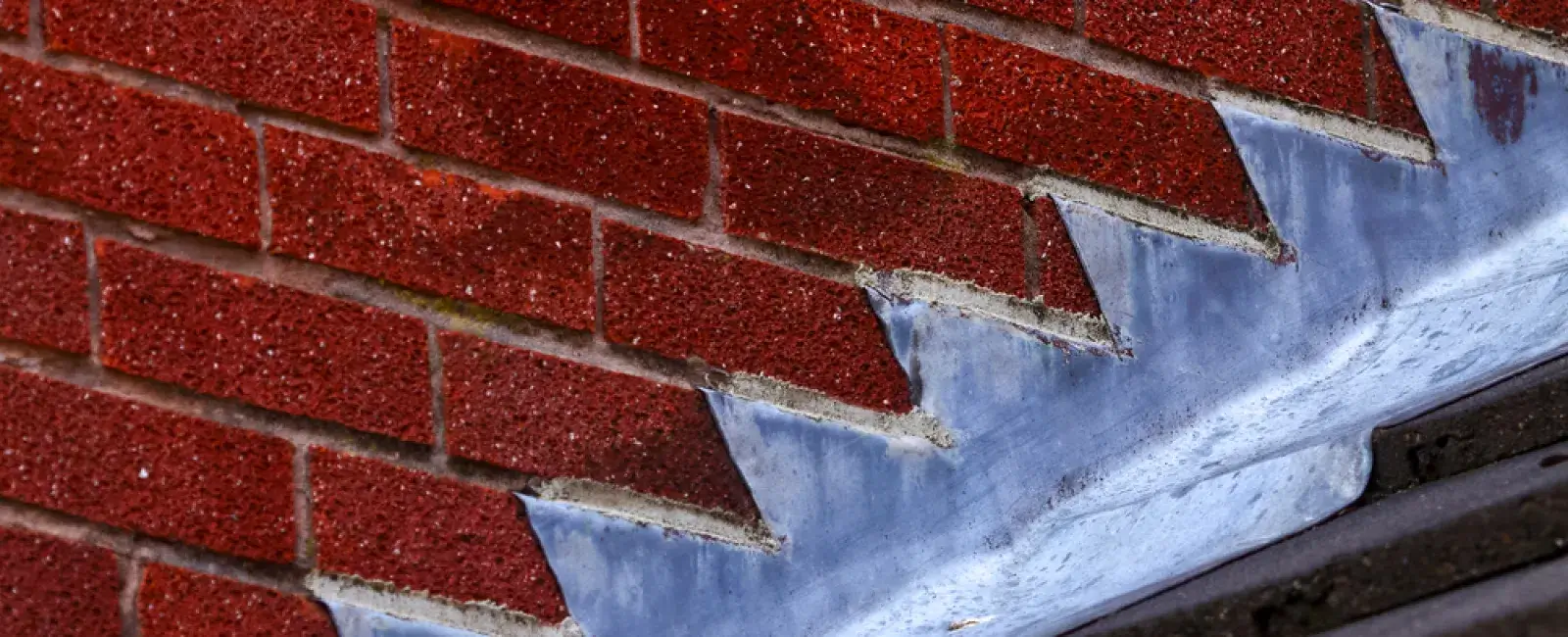
Moisture barriers vary in cost by type; synthetic underlayments are pricier but last longer than felt. Flashing replacement depends on penetration count and metal type—aluminum is cheaper, copper costs more.
If decking has rot, removing and replacing sheathing adds labor and disposal fees; larger spans or structural repairs increase prices quickly. You should also factor ventilation upgrades, since improving airflow often accompanies underlayment and flashing work to protect the new assembly and may be required by code.
Typical Warranties and Their Impact on Price
If you want long-term protection, pay close attention to the warranties offered — they can change both upfront price and future value. When you compare bids, note warranty length: longer coverage often raises material or labor costs but reduces your risk of unexpected repairs.
Ask whether the warranty covers workmanship, materials, or both, and get exclusions in writing so you’re not surprised. Transferability options matter if you plan to sell — transferable warranties can boost resale value and justify higher initial expense.
Verify who services warranty claims and required maintenance to keep coverage valid. Balancing upfront cost with protection helps you choose a roof replacement that fits your budget and long-term plans without sacrificing clarity.
Financing Options and Cost-Saving Strategies
Because a roof replacement is a big expense, you’ll want to explore financing options that match your budget and timeline. Look into contractor partnerships offering financing incentives, low-interest loans, or deferred-payment plans. Compare loan terms carefully—length, APR, prepayment penalties—and choose what minimizes total cost while fitting monthly cash flow.
Cut costs by timing replacement during off-peak seasons, bundling repairs, or selecting durable materials with lower life-cycle expense. Ask about manufacturer rebates or energy-efficiency credits that reduce upfront price. You can also negotiate scope: prioritize immediate needs and postpone cosmetic upgrades. Verify contractor credentials and get clear written terms before signing. With smart financing and targeted savings, you’ll control expenses without sacrificing quality.
How to Get Accurate Roof Replacement Estimates in Atlanta
When you’re shopping for replacement estimates in Atlanta, get multiple written bids that break down labor, materials, permits, disposal, and any subcontractor work so you can compare apples to apples. Start by verifying roof measurements yourself or asking contractors to show how they measured; accurate dimensions prevent surprise costs.
Ask for a detailed materials list and warranty terms, and confirm permit fees and disposal charges are included. During contractor interviews, probe experience with Atlanta codes, storm damage claims, and timelines.
Request references and photos of completed jobs, and check license and insurance. If proposals differ, ask firms to explain variances in scope or methods. With clear bids and focused contractor interviews, you’ll pick a fair, reliable estimate.
Frequently Asked Questions
Do Homeowners Insurance Cover Full Roof Replacements in Atlanta After Storm Damage?
Yes — your homeowners insurance can cover full roof replacements in Atlanta after storm damage, but coverage depends on your policy, deductible, and whether the damage is storm-related.
You’ll want to document damage thoroughly, file promptly, and work with adjusters to maximize insurance payouts.
Expect possible claim disputes over preexisting wear or depreciation; get independent estimates and consider a public adjuster if you think the insurer undervalued repairs.
Can Historic District Rules Affect Roofing Material Choices and Costs?
Yes — historic district rules can affect roofing material choices and costs.
You’ll face historic preservation guidelines and material restrictions that limit options to period-appropriate shingles, metal, or slate.
That can raise prices, require special installers, and add approval fees or delays from local review boards.
You’ll need to get permits, follow design standards, and often use higher-cost materials to comply, so budget more time and money for the process.
Are There Local Recycling or Disposal Fees for Old Roofing Materials?
Yes — you’ll likely face fees for old roofing materials.
Cities and counties may charge landfill tipping fees or require drop-off at a transfer station, and some neighborhoods offer collection programs with charges.
You can avoid some costs by arranging material salvage for reusable shingles or metal with local reuse centers.
Call your municipality or contractor to confirm neighborhood collection options, exact landfill tipping rates, and accepted transfer station procedures.
How Do Hail and Wind Warranties Work Specifically in Georgia?
You’ll file hail and wind claims promptly — Georgia insurers expect quick action and claim timelines vary by company, so start within days.
You’ll document damage and expect adjuster visits; deductible differences matter: wind might’ve a higher or percentage-based deductible, while hail often uses a flat dollar amount.
You’ll check your policy for specific exclusions, repair vs. replace criteria, and any roof-age limits before repairs so you won’t be surprised.
Do Solar Panel Installations Change Roof Replacement Timing or Costs?
Yes — solar panel installations often change your roof replacement timing and costs. You’ll need solar integration planning, which may require removing panels for reroofing or coordinating installation sequencing to minimize repeats.
Panels can affect roof vents placement and create panel shading that influences layout. That coordination can raise upfront costs but can save money long-term by avoiding duplicate labor.
Get a combined contractor and roofer estimate before starting.
Conclusion
You now know typical Atlanta roof replacement costs—generally $7,000–$12,000 for a 1,700–2,000 sq. ft. home—with material, pitch, access, permits, and repairs affecting price. Factor in seasonal spikes, HOA rules, and warranty differences when comparing bids. Get multiple detailed estimates, verify contractor credentials and warranty terms, and ask about financing or seasonal discounts. With clear bids and inspections, you’ll choose the best value roofing solution for your budget and needs.