You can hire a contractor to help with insurance claims for replacements, and many will document damage, compile estimates, and meet with adjusters to justify needed work. They’ll often handle permits and code upgrades too, but their level of involvement varies and there are pitfalls to watch for — keep going to learn what a reliable contractor should do and which red flags to avoid.
Understanding Contractor Roles in Insurance Claims for Atlanta Roof Replacements
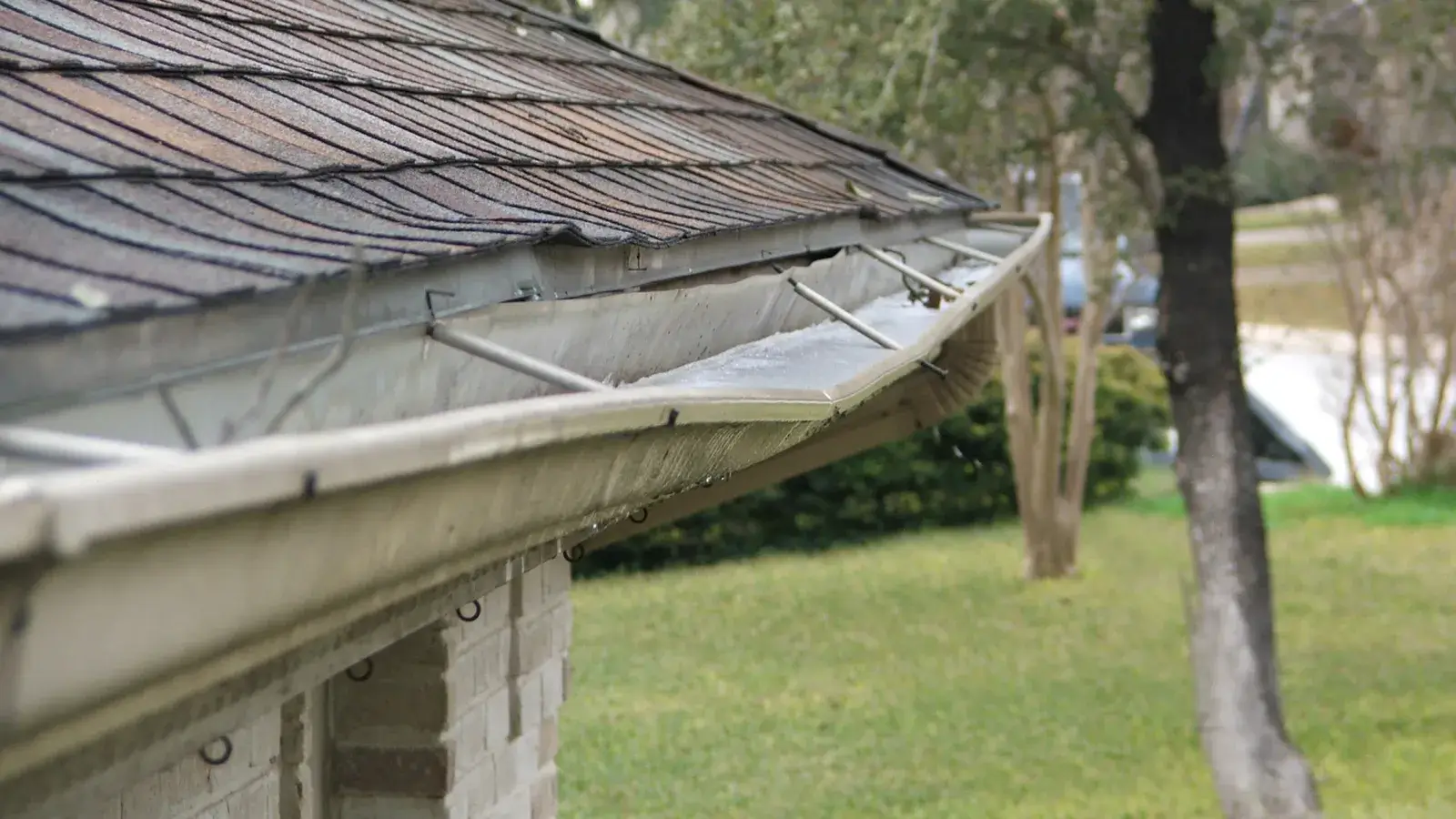
When you file an insurance claim for an Atlanta roof replacement, your contractor should act as your advocate—helping document storm damage, provide accurate repair estimates, and communicate directly with adjusters so you’re not left maneuvering technical details alone.
You’ll rely on them to explain policy limits, suggest scope adjustments, and recommend materials that meet code and insurer expectations.
They’ll often handle permit assistance, pulling necessary local permits and ensuring work complies with Atlanta regulations so inspections go smoothly.
After completion, you’ll expect clear warranty coordination, registering warranties and outlining coverage terms.
Throughout, you should get timely progress updates, straightforward cost breakdowns, and honest guidance about claim strategies so decisions stay informed and efficient.
How Local Contractors Document Damage for Insurance Adjusters
Local contractors start by conducting a thorough, documented inspection so you and the insurance adjuster see exactly what’s damaged.
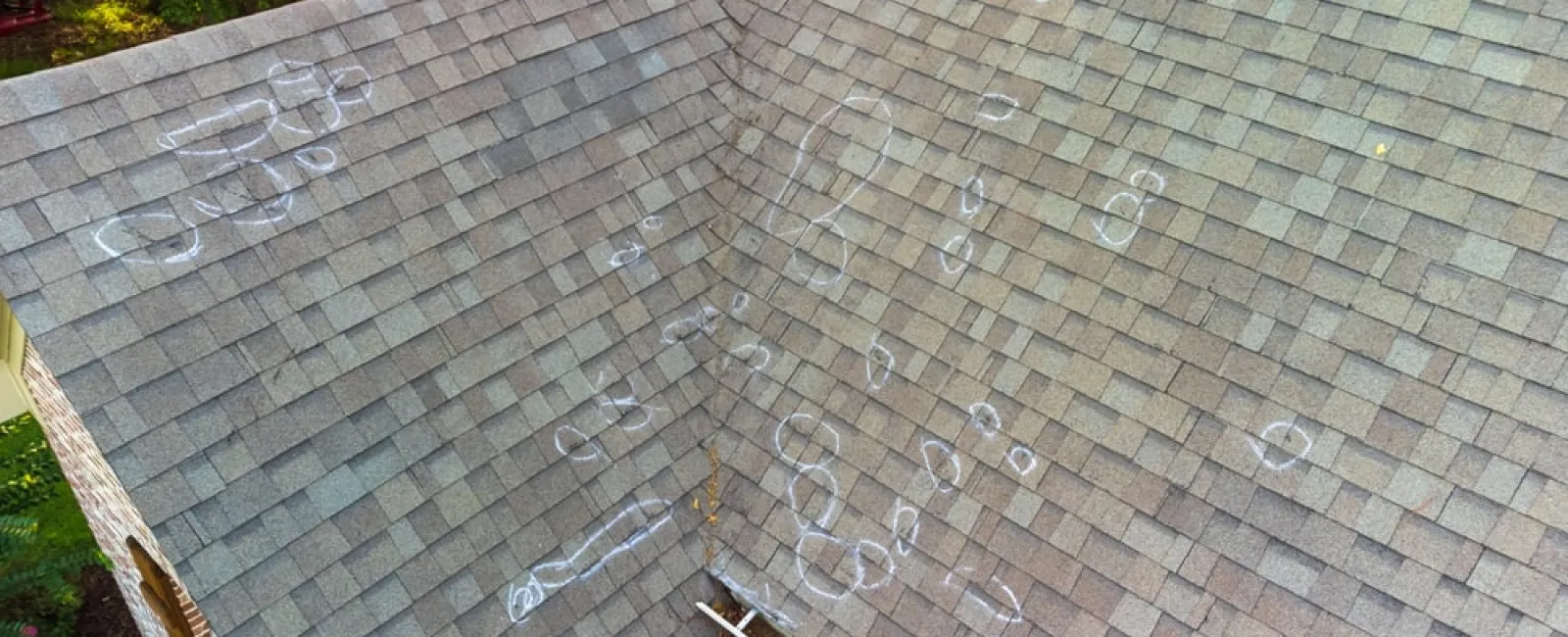
You’ll get a clear walkthrough where they note damaged areas, structural concerns, and safety hazards, then create photographic logs tied to each item.
They label photos, timestamp them, and map them to specific roof sections so nothing’s ambiguous.
You’ll receive written damage summaries and scope reports that list required repairs and replacements.
Contractors keep material invoices, delivery tickets, and cost estimates organized to support claimed losses.
They often bundle these documents into a claim packet you can share with the adjuster, ensuring claims move faster.
You’ll be able to reference exact evidence rather than relying on memory or vague descriptions.
Working With Insurance Companies: What Atlanta Roofing Contractors Do
If you’re filing a roof claim in Atlanta, contractors will act as your advocate with insurers—coordinating inspections, submitting detailed scopes and estimates, and answering adjuster questions to speed approval.
You’ll see them manage insurance negotiations, pushing for fair scopes and documenting overlooked damage.
They’ll explain claim timelines so you know when inspections, approvals, and payments should occur.
Expect them to accompany adjusters, provide photo and material records, and clarify technical terms insurers may challenge.
If problems arise, they’ll appeal denials or request re-inspections on your behalf.
You’ll still sign contracts and approve work, but contractors largely handle insurer communication to reduce delays and avoid underpayments, helping you focus on choosing materials and scheduling the actual replacement.
Typical Coverage and Estimate Processes for Roof Replacements in Atlanta, GA
Because roof replacements touch both construction and insurance, you’ll need to understand what insurers typically cover and how contractors prepare estimates in Atlanta. Insurers usually pay for damage from covered perils like wind, hail, or fallen trees, not wear-and-tear; you’ll want to review your policy limits and deductible.
Contractors perform storm inspections to document damage, take photos, and itemize needed repairs or full replacement. They’ll craft an estimate aligning with local building codes, material choices, and labor rates, and note any roof warranty options you can buy or transfer.
Expect line-item pricing for decking, underlayment, flashing, shingles, and disposal. You’ll get a scope that helps you negotiate with your insurer and choose materials that meet both budget and longevity goals.
Common Pitfalls Homeowners Face When Contractors Handle Claims
Watch out when contractors step in to handle insurance claims—mistakes can cost you money and time.
You might rely on a contractor who promises fast approvals but pushes unnecessary upgrades or inflates estimates, a common sign of contractor fraud.
You can also face unclear contracts that leave scope, timelines, and payment terms vague, making disputes harder to resolve.
You should be wary of contractors who tell you to sign over your claim or who pressure you to accept quick settlements; that can limit your options and trigger claim disputes with your insurer.
Insist on written estimates, detailed scopes, and independent inspections.
Verify licenses, references, and documentation before you let anyone represent you in negotiations.
Choosing a Contractor Experienced With Atlanta Insurance Claim Procedures
After you’ve screened out contractors who push quick settlements or vague contracts, focus on finding one who knows Atlanta’s insurance rules and local adjuster practices.
You’ll want a contractor with verifiable contractor licensing and a track record of working smoothly with insurers so your repairs don’t stall. Ask how they document damage, submit estimates, and communicate with adjusters — that affects the claims timeline.
Request references for recent Atlanta claims and follow up with those homeowners about responsiveness and accuracy.
Confirm they’ll provide clear change orders and timelines in writing, and that they understand local permit requirements tied to insurance payouts.
Choosing someone experienced reduces disputes, speeds approvals, and helps guarantee your replacement matches both code and insurer expectations.
Frequently Asked Questions
Do Contractors Assist With Filing Supplemental Claims After Initial Insurance Payment?
Yes — you can expect contractors to assist with filing supplemental claims after the insurer’s initial payment.
They’ll gather supplemental documentation, prepare additional estimates, and submit the needed paperwork to justify more funds. You’ll stay involved for approvals and inspections, but the contractor usually coordinates with the adjuster, documents further damage or missed items, and helps negotiate supplemental payouts so repairs or replacements get fully funded.
Can Contractors Negotiate Depreciation Release With Insurers?
Yes — you can have a contractor negotiate depreciation release with your insurer, but they typically act on your behalf rather than as a decision-maker.
You’ll authorize depreciation negotiation, and the contractor may present invoices, receipts, and scope changes to support release of withheld funds.
If talks stall, they can push for insurer arbitration or help you initiate it.
Stay involved, review documents, and confirm any settlement before you sign.
Do Contractors Handle Communications With Mortgage Companies During Claims?
Yes — you can expect contractors to handle communications with mortgage companies during claims. They’ll manage mortgage coordination, send lender notifications, and provide required documentation so payments are issued correctly.
You’ll stay informed as they confirm mortgage lien releases, endorse checks if needed, and coordinate draw schedules. That keeps repairs moving and prevents payment hold-ups, while you focus on decisions and approvals throughout the claims and repair process.
Will Contractors Provide a Lien Waiver After Insurance-Funded Work?
Yes — many contractors will provide a lien waiver after insurance-funded work, but you’ll need to meet specific waiver conditions first.
You’ll usually sign and receive the waiver once payment timelines are satisfied, including insurance disbursements and any final contractor invoice.
Confirm whether partial waivers apply for interim draws and get a written waiver form that states work completed, amounts paid, and release scope so you avoid future lien risk.
Do Contractors Offer Guarantees Covering Insurance-Covered Repairs?
Yes — you can get guarantees on insurance-covered repairs. You’ll often see workmanship guarantees from contractors and sometimes warranty transfers if original product warranties apply.
You should ask for written terms showing duration, scope, and how warranty transfers work with your insurer. Keep copies of proof-of-payment and the insurance approval.
If a problem arises, you’ll contact the contractor first; if unresolved, escalate to the manufacturer or your insurance company.
Conclusion
Yes — contractors can help you through insurance claims for roof replacements, but you’ll want someone local, experienced, and transparent. They’ll document damage, prepare code‑compliant estimates, meet adjusters, and organize permits and invoices to justify replacement costs. Stay wary of contractors who pressure you to sign over claims, demand large upfront payments, or give vague contracts. Choose a vetted Atlanta roofer familiar with insurance procedures to protect your coverage and your home.