You’ll want a clear, step‑by‑step approach when a commercial roof starts leaking, from quick containment to accurate leak tracing and permanent repairs that meet codes and warranties. Knowing common causes, inspection tools, and suitable materials helps you decide whether to patch, restore, or replace. Keep going to learn practical checks, cost drivers, and maintenance practices that can prevent small issues from becoming big expenses.
Common Causes of Commercial Roof Leaks in Atlanta
Often, storms and age expose weaknesses in commercial roofs across Atlanta, and you should know the usual culprits so you can act fast.
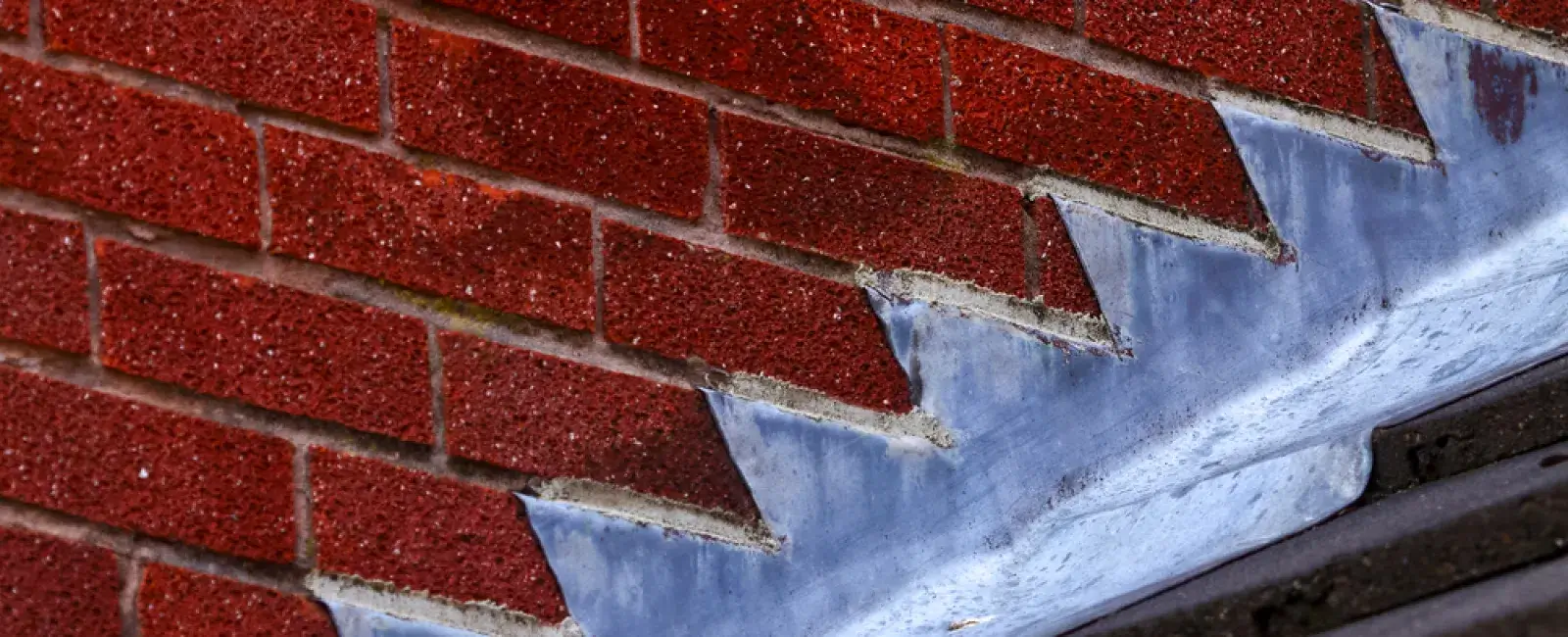
You’ll find that improper flashing around vents, skylights, and parapets lets water sneak inside, especially after wind-driven rain dislodges seals.
Ponding water on low-slope roofs accelerates membrane breakdown and stresses seams, turning small defects into active leaks.
Mechanical equipment penetrations and poorly sealed roof drains create direct paths for moisture.
Old or incompatible roofing layers can delaminate, and HVAC maintenance neglect leads to condensation issues that mimic leaks.
You should prioritize regular inspections, proper flashing replacement, and prompt drainage repairs to prevent minor problems from becoming costly interior damage.
Act quickly when you spot vulnerable details.
Early Signs of Roof Damage to Watch For
When you spot small telltale signs—stained ceiling tiles, curled membrane edges, or puddles on a flat roof—you’re catching damage before it gets worse. You should watch for water stains near vents, skylights, and rooftop equipment; these often show active or recurring leaks.
Check flashing seams and penetrations for splits or lifted edges that let moisture in. Inside, notice any discolored insulation or damp drywall, and be alert to musty odors that point to trapped moisture.
On the deck, look for soft spots or sagging decking that indicate structural compromise from prolonged wetting. Also monitor roof surface drainage: pooled water accelerates deterioration. Acting on these indicators quickly reduces repair scope and prevents interior damage.
Assessment and Leak Detection Methods
Because finding a leak early saves money and time, start your assessment with a systematic walk-around and interior inspection to narrow down likely entry points.
Next, document visible stains, membrane damage, clogged drains, and flashing failures so you can prioritize tests.
Use thermal imaging to reveal temperature differentials from moisture beneath roofing and ceiling finishes; scan slowly and compare readings to baseline areas.
Where visual and thermal clues are unclear, deploy acoustic sensing to pick up water movement within cavities or piping during active leaks.
Combine methods: rooftop flood testing, infrared at night, and targeted acoustic surveys.
Record locations with photos and sketches, note weather conditions, and decide if you need a specialist for invasive probing or immediate containment.
Temporary Vs Permanent Repair Options
After you’ve identified likely leak locations and documented conditions, decide whether a quick stopgap or a long-term fix best protects the building and occupants.
You’ll choose temporary measures when weather, safety, or budgets prevent an immediate permanent repair. Use an emergency tarp to stop active water entry, and apply a sealant patch for small punctures to buy time. Temporary fixes should be documented, dated, and inspected frequently so you can track deterioration and schedule a permanent solution.
Permanent repairs restore system integrity — they replace or fully reseal flashing, membranes, or penetrations and comply with warranty and code requirements. Don’t let temporary measures become permanent by default; plan and budget a timely shift to lasting repairs to avoid higher costs later.
Materials and Techniques for Commercial Roof Repairs
Select materials that match the roof’s system, climate, and traffic patterns to guarantee repairs last: EPDM, TPO, PVC, modified bitumen, and built-up roofing each have specific adhesives, fasteners, and seam techniques you must use to avoid premature failure.
For EPDM installation, clean surfaces, use compatible primers, and apply seam tape or adhesive per manufacturer specs.
Use TPO welding for heat-fused seams on thermoplastics and verify weld integrity with destructive or non-destructive tests.
Apply Silicone coating to flashings and low-slope areas for UV and ponding water protection, ensuring proper thickness and cure time.
Install Metal flashing at junctions and penetrations, secure with appropriate fasteners, and seal joints with compatible sealants.
Match materials, follow manufacturer methods, and test repairs before closing the job.
Working With Licensed Roofing Contractors in Atlanta
When you hire a licensed roofing contractor in Atlanta, verify their credentials, insurance, and local experience up front to avoid surprises later.
You should request licensed referrals from nearby commercial clients and check ratings with state and city licensing boards.
Ask for a written scope that defines repairs, materials, timelines, and warranty terms so you can compare bids objectively.
Confirm the contractor handles permit coordination with Atlanta’s building department and will provide inspection documentation.
During work, keep a single point of contact, review daily progress reports, and document issues with photos.
After completion, obtain final lien releases, warranties, and as-built records.
If disputes arise, use the contractor’s complaint process before escalating to regulators or legal channels.
Cost Factors and Budgeting for Roof Repair or Replacement
Choosing the right contractor and getting clear paperwork helps you estimate costs more accurately, but understanding the factors that drive roof repair or replacement prices lets you budget properly.
You’ll assess roof size, material type, complexity, and access logistics; steep slopes, equipment lifts, and safety measures raise labor and time costs.
Existing damage, substrate replacement, insulation upgrades, and local code requirements add scope and expense.
Geographic location and seasonal demand affect rates, while warranty terms and contractor experience influence value.
For budget planning, get multiple itemized bids, prioritize repairs, and include a contingency for unforeseen issues.
Explore financing options—loans, lines of credit, or manufacturer programs—to spread costs without delaying urgent work.
Preventive Maintenance to Extend Roof Lifespan
Regularly performing preventive maintenance will keep small issues from turning into costly leaks or full roof replacements. You should schedule seasonal inspections to catch membrane damage, flashing issues, and ponding water before they worsen. Walk roofs when safe or hire a qualified inspector who documents problems and recommends repairs.
Keep drains clear and prioritize gutter cleaning to prevent backups that force water under edges or into ducts. Trim overhanging branches, remove debris, and check rooftop equipment seals. Recoat or reseal seams and penetrations as manufacturers recommend. Log all maintenance actions and findings so patterns emerge and you can budget for lifecycle replacements. Consistent, targeted upkeep extends roof lifespan, reduces emergency repairs, and protects building assets and occupant safety.
Frequently Asked Questions
Do Building Owners Need Insurance Approval Before Roof Repairs Start?
Usually you don’t have to wait for insurance approval before starting emergency roof repairs, but you should notify your insurer immediately and document damage.
As the owner, you’re responsible for preventing further loss and making temporary fixes; however, major repairs often require insurer approval to guarantee coverage. Keep records, get estimates, and coordinate with your adjuster so final repairs comply with policy terms and maximize your claim.
Can HVAC or Solar Installations Affect Leak Repairs or Warranties?
Yes — HVAC or solar work can affect leak repairs and warranties. You’ll want to check HVAC warranties and Solar warranties before modifying roof penetrations or mounting equipment.
Coordinate installers with your leak-repair contractor so flashing, sealants, and weight loads are handled properly. If work’s done without approved methods, you’ll risk voiding warranties and creating new leaks.
Get written approvals and document installations to protect coverage and future repairs.
Are There Local Atlanta Permits Required for Commercial Roof Replacement?
Yes — you’ll need permits for commercial roof replacement in Atlanta.
You’ll check zoning regulations and possible historical overlays that add review steps or restrictions.
You’ll submit plans to the City of Atlanta’s Office of Buildings, get approval, and follow inspection requirements.
If your property’s in a historic district or overlay, you’ll likely need additional permits or design review.
Work with a licensed contractor to streamline the process.
How Long After Repairs Should Interior Mold Inspections Occur?
You should schedule interior mold inspections within 48–72 hours after repairs if visible moisture was present, but full post repair air quality and mold testing is best at 7–14 days to confirm dryness and spore levels.
That timeline lets remediation settle and HVAC systems run, so you’ll catch lingering issues.
If repairs were extensive or occupants report symptoms, get tests sooner and repeat testing after remediation is completed.
Do Green Roofs or Rooftop Gardens Change Repair Methods or Costs?
Yes — green roofs and rooftop gardens change repair methods and costs.
You’ll need maintenance access upgrades, special membrane protection, and care around irrigation systems that can hide or cause leaks.
Repairs take longer, require plant-safe materials and often specialized crews, so labor and materials cost more.
You’ll also budget for temporary removal of vegetation, root barrier checks, and post-repair irrigation recommissioning to avoid future issues.
Conclusion
You now know how to spot common causes and early signs of commercial roof leaks, and you can use assessment tools and testing to find problem areas quickly. When you choose between temporary and permanent fixes, pick materials and methods that match the building, code, and warranty needs. Work with licensed Atlanta contractors, budget for realistic costs, and keep a preventive maintenance plan so you’ll minimize emergencies, extend roof life, and protect your investment.