When you’re gathering replacement estimates, focus on neighborhood specifics that affect cost and longevity so you don’t get blindsided by surprises; compare itemized bids, factor local climate wear, check permit and HOA rules, and match materials to nearby homes to avoid overpaying or delays — there are a few practical checks that most homeowners skip but shouldn’t, and they’ll change how you evaluate each quote.
How Local Climate Influences Atlanta Roof Replacement Costs
Given Atlanta’s hot, humid summers and frequent storms, you’ll find that local climate plays a major role in roof replacement costs; heat accelerates shingle aging, humidity promotes mold and wood rot, and storm damage—especially from hail and wind—drives up material and labor needs.
You’ll notice hot humidity shortens asphalt shingle life, so you’ll budget for more frequent replacements and higher-grade underlayment to resist moisture.
You’ll also factor in ventilation and drip-edge upgrades to prevent rot and interior damage.
Even though winters are mild, occasional winter freezing events can crack flashings and worsen leaks, so you’ll prioritize flexible sealants and durable flashings.
Planning around these patterns helps you get realistic neighborhood estimates and avoid surprise repairs.
Choosing Materials Suited to Atlanta Neighborhood Styles
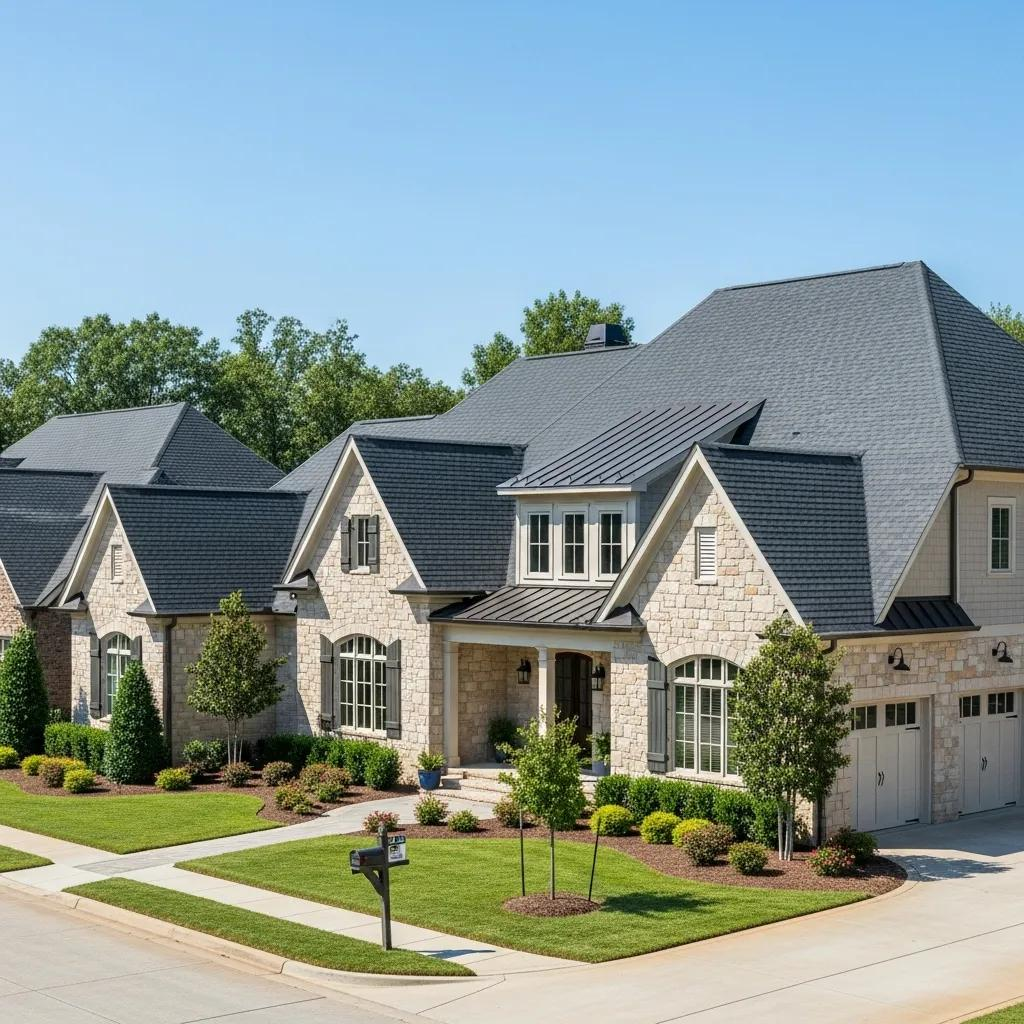
When you pick roofing materials for an Atlanta neighborhood, match durability to the local architectural style so the house looks cohesive and stands up to heat, humidity, and storms.
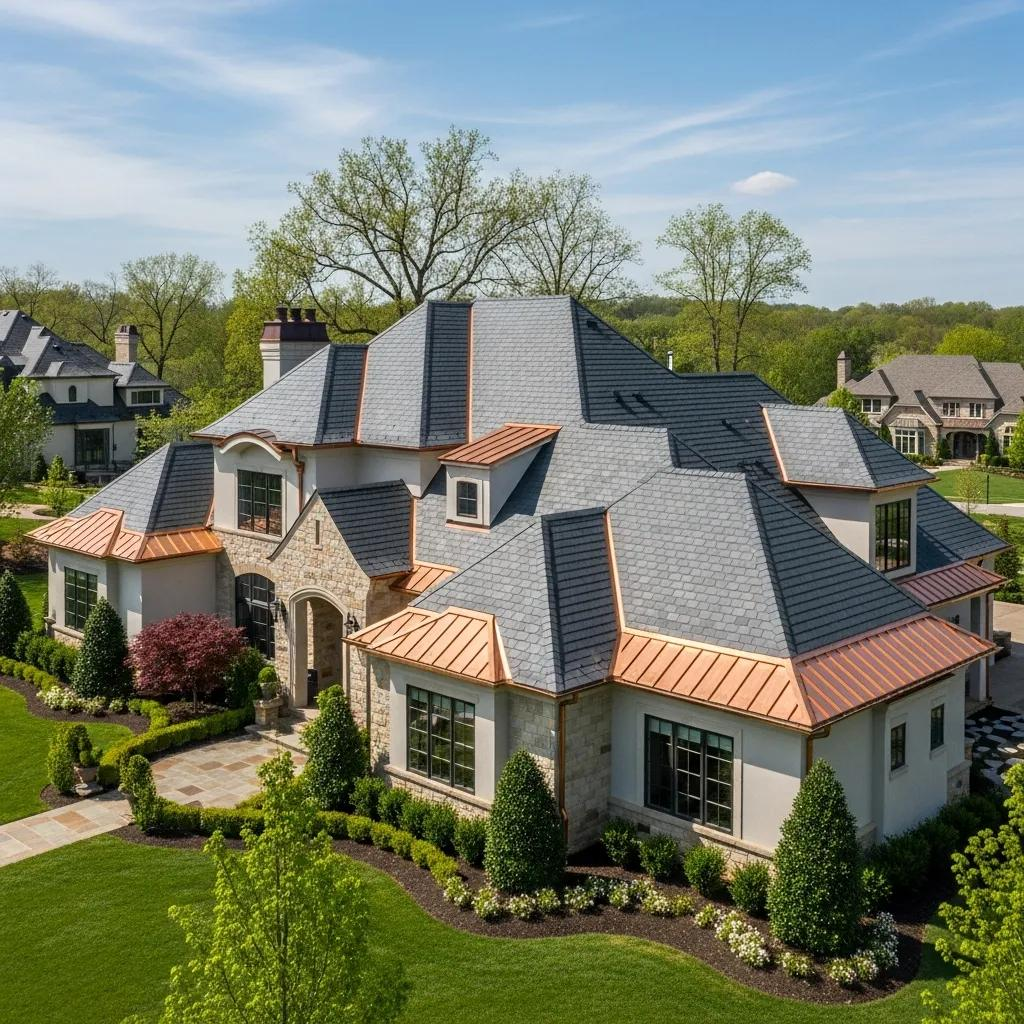
You’ll want materials that respect Historic aesthetics in districts with bungalows or Victorians—consider slate-look or properly detailed cedar shakes that replicate original profiles while using treated or composite options for longevity.
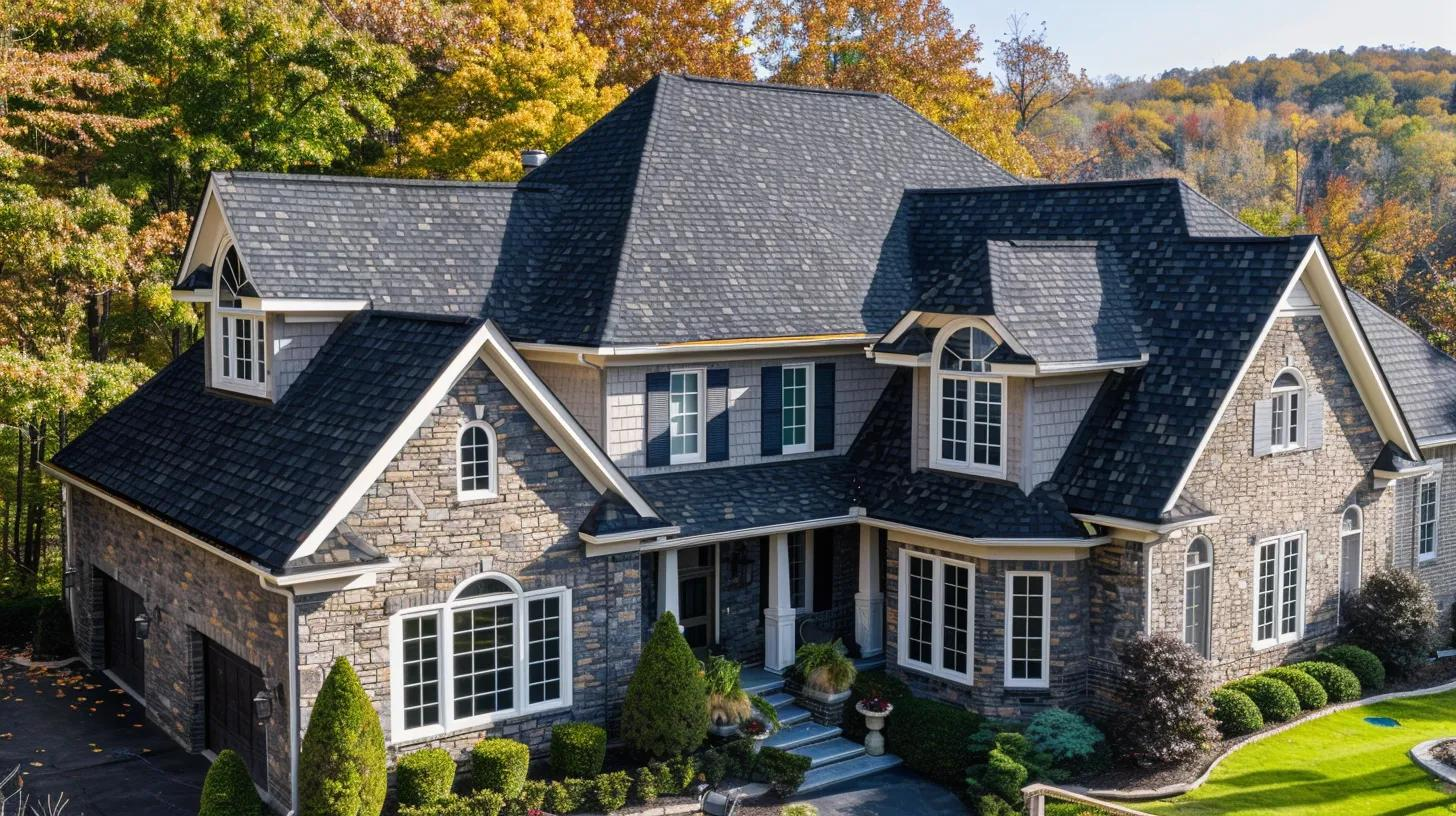
In newer subdivisions, Modern blends like metal panels with muted tones or architectural shingles can provide a clean, updated appearance without clashing.
Think about scale, roof pitch, and trim materials so replacements don’t feel tacked on.
Ask for samples against your facade and request photos of completed jobs in similar neighborhoods to make sure the material choice reads right from the street.
Assessing Contractor Rates Across Atlanta Zip Codes
Start by mapping contractor rates across Atlanta zip codes so you can spot where prices trend higher or lower and why. Compare quotes from multiple firms, then adjust for local market variability like demand spikes, nearby development, and neighborhood wage levels.
Check online reviews and ask for itemized bids so you see labor vs. materials. Factor crew availability: busy crews can raise rates or extend timelines, while off-peak teams may offer discounts.
Call contractors during different seasons to gauge responsiveness and schedule flexibility. Use zip-code-specific averages to set your budget and flag outliers for negotiation.
Document communication and timelines in writing, and prioritize licensed contractors with clear timelines to avoid hidden costs or unexpected delays.
Estimating Permit and HOA Fees in Different Atlanta Areas
Although permit and HOA costs can vary block by block, you should expect both to affect your overall replacement budget and timeline in Atlanta.
You’ll need to check local Permit variability: city permits in Midtown or Buckhead often cost more and require longer review than those in outer suburbs. Compare municipal fee schedules online and call your county office to confirm current rates and expected processing times.
For HOA allowances, review your HOA’s covenants and submit design requests early — some neighborhoods require architectural approval that adds weeks and possible modification costs.
Factor recurring HOA review fees or special assessment practices into your estimate. Build contingency for unexpected denials or additional conditions so your schedule and budget stay realistic.
Factoring Roof Age and Common Damage Patterns by Neighborhood
Permit and HOA reviews influence timing and scope, but you also need to weigh roof age and neighborhood-specific damage patterns when estimating replacement needs. Start by inspecting material lifespan: asphalt shingles often show granule loss and curling after 15–25 years, while metal or tile can last longer but hide localized failures.
Note roof deterioration indicators—missing shingles, sagging, algae streaks—and map them to nearby factors like overhanging trees, wind corridors, or salt exposure. Compare homes on your block to spot neighborhood wear trends and adjust your budget: frequent storm damage or heavy foot traffic from maintenance crews raises replacement urgency.
Use that neighborhood context with age data to prioritize replacements and justify more accurate estimates.
Frequently Asked Questions
Can I Transfer a Roof Replacement Warranty When Selling My House?
Yes — you can often transfer a roof replacement warranty when selling your house, but you’ll need to check the transferability clause and any warranty limitations first.
You should notify the manufacturer or contractor, provide sale documentation, and sometimes pay a transfer fee.
Be aware limits like time windows, owner-occupancy requirements, or excluded damage.
Verify conditions in writing so the buyer inherits valid coverage and you avoid unexpected liabilities.
Will My Homeowner’s Insurance Cover Full Roof Replacement Costs?
Usually you won’t get full roof replacement costs covered. You’ll need to pay the insurance deductible and your insurer will only cover damage from covered perils.
Policies often limit age-related wear and may have policy exclusions for neglect, lack of maintenance, or preexisting damage. You should document damage, get contractor estimates, and contact your agent to confirm coverage, depreciation, and whether you qualify for actual cash value or replacement cost benefits.
How Long Does a Typical Asphalt Shingle Roof Installation Take?
A typical asphalt shingle roof installation takes about one to three days for an average-sized home; larger or complex roofs can take up to a week.
You’ll see the crew tear off old materials, make repairs, and lay shingles efficiently.
Your installation timeline can stretch if there are weather delays like rain or high winds, so expect potential rescheduling and plan contingencies for any extended work periods.
Can I Finance a Roof Replacement Through Local Lenders?
Yes — you can finance a roof replacement through local lenders.
You’ll find local banks and community credit unions that offer home improvement loans, HELOCs, or personal loans with competitive rates.
Shop around, compare terms, and ask about repayment schedules and prepayment penalties.
Get multiple estimates from contractors, bring them to lenders, and review credit requirements and documentation so you’ll secure the best financing for your project.
Do Energy-Efficient Roofing Options Qualify for Tax Credits?
Yes — you can often claim tax credits for energy-efficient roofing features.
If your new roof integrates solar panels or supports rooftop solar, you’ll qualify for federal solar tax credits.
Certain cool roofing materials and installations that improve efficiency or pair with heat pumps may also qualify under local or state incentives.
Check federal, state, and utility programs, keep receipts and certifications, and work with your installer to document eligibility for credits and rebates.
Conclusion
When getting replacement estimates in Atlanta, you’ll want to compare multiple itemized bids across zip codes so you can separate labor and material costs. Factor local climate—heat, humidity, storms—that affects material longevity, and pick styles that match your neighborhood or HOA rules while requesting samples from similar nearby projects. Check permit fees and review times with the municipality, confirm contractor licensing and timelines to avoid hidden costs, and inspect neighboring roofs for shared damage patterns.