If you’re planning a roof replacement in Atlanta for 2025, you’ll want clear cost expectations before you sign anything. Prices vary a lot by material, roof complexity, and unexpected repairs, so an itemized bid matters. I’ll walk you through average ranges, permit and disposal fees, timeline impacts, and ways to cut costs—plus the warranty details contractors often gloss over—so you can compare bids with confidence.
Average Roof Replacement Prices in Atlanta for 2025
Typically, you’ll see roof replacement costs in Atlanta for 2025 varying by material and roof size, with asphalt shingles generally the most affordable and metal or slate running substantially higher; understanding these ranges helps you budget accurately and compare contractor estimates.
You’ll note average prices clustered around midrange shingle systems, but your final number depends on roof complexity and local market trends.
When you get estimates, factor in shingle lifespan—shorter warranties often mean lower upfront costs but quicker replacements.
Don’t skip a roof inspection before signing; it uncovers decking issues that drive costs.
Also weigh energy impact: reflective materials or added insulation can lower bills and justify higher initial spend when you calculate life-cycle value.
Cost Factors: Materials and Their Price Range
When you choose roofing materials, you’re balancing upfront price, lifespan, and maintenance needs—each option carries a distinct cost range that shapes your total replacement bill.
You’ll find asphalt shingles are the most budget-friendly with a typical shingle lifespan of 20–30 years, while architectural or designer shingles cost more but last longer.
Metal roofs raise initial cost but deliver decades of durability and low upkeep.
Tile and slate sit at the high end for both price and longevity.
Don’t forget underlayment and ventilation; upgraded underlayment improves weather resistance and insulation impact, which can lower energy bills.
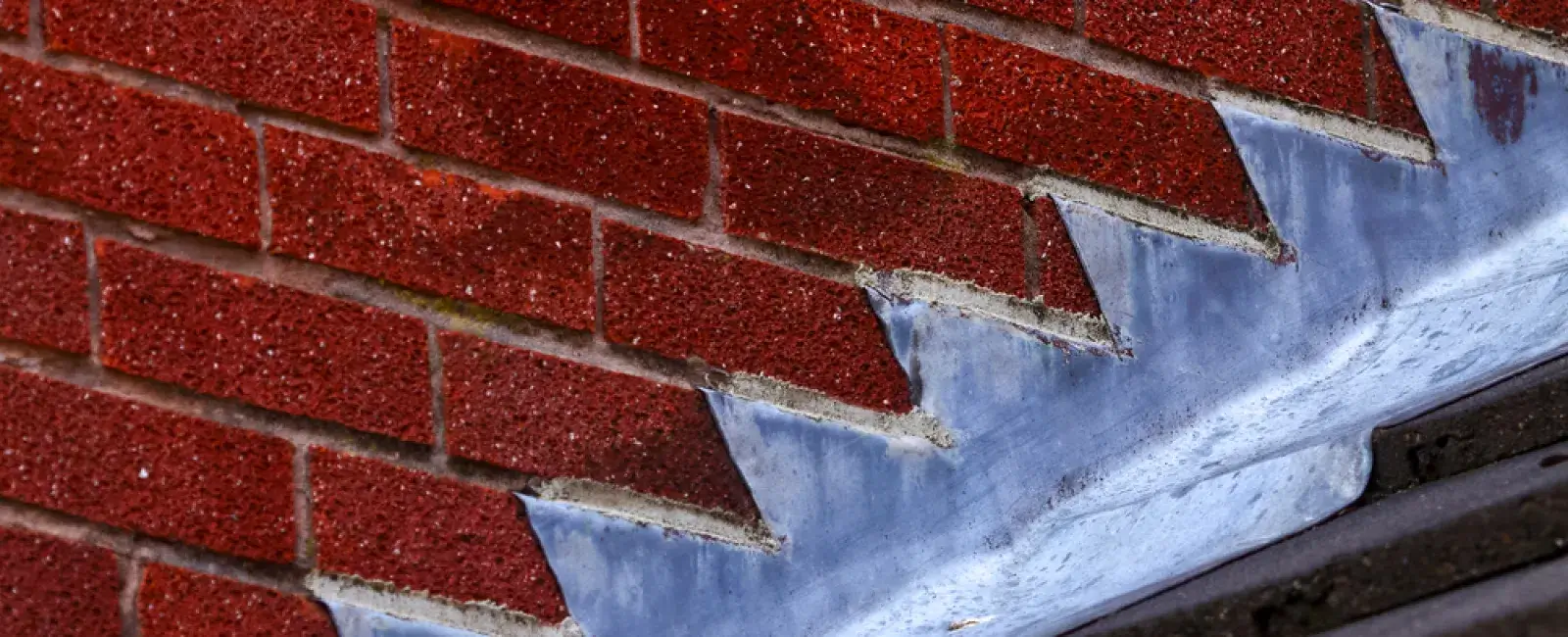
Accessories—flashing, drip edges, ridge vents—add modest costs but protect performance.
Choose materials that match your budget and desired service life.
Labor Expenses and Local Contractor Rates
Although material choices set the baseline, labor expenses often make the biggest difference in your final bill—contractor rates vary by skill level, local demand, and the complexity of the job.
You’ll pay more for certified crews with proven warranties and safety training, because their hourly rates reflect experience, insurance, and compliance.
Local demand pushes prices up during peak months; Seasonal demand for roofing and exterior work in Atlanta spikes after storms and in mild weather windows.
Get multiple bids, check references, and confirm what’s included—tear-off, disposal, permits, and cleanup affect labor totals.
Negotiate clear timelines and payment schedules, and consider staggering nonessential work to avoid premium seasonal pricing.
How Roof Size and Pitch Affect Total Cost
Because roof measurements determine how much material and labor you need, size and pitch are among the most direct cost drivers, and they change both unit pricing and installation complexity.
You’ll pay more for larger square footage because underlayment, shingles, flashing, and waste all scale with roof geometry.
Steeper pitches increase labor time, safety equipment needs, and staging complexity, which raises hourly and overall labor costs.
Complex hips, valleys, and dormers multiply flashing and cutting, so estimates jump compared with simple gable forms.
Don’t forget attic ventilation: modifying or relocating vents during replacement adds time and parts, and inadequate ventilation can force corrective work later.
When budgeting, get measurements, pitch angles, and a ventilation plan on the estimate to avoid surprise charges.
Cost Differences by Roofing Material Type
If you pick asphalt shingles, metal, tile, or slate, the material you choose will shape both upfront costs and long-term value — not just the sticker price. You’ll find asphalt cheapest initially but shorter-lived; its color longevity varies and may need replacement sooner.
Metal costs more upfront, resists weather, and offers excellent color longevity with coatings that reflect heat. Tile and slate carry high installation costs, but they last decades and can add resale value.
Consider Eco impact: recycled-content metal or clay tile reduce environmental footprint, while asphalt has higher lifecycle emissions. You should weigh lifespan, maintenance, and energy benefits against your budget and goals so the choice fits your Atlanta home’s needs.
Permit, Disposal, and Additional Service Fees
When you budget for a roof replacement in Atlanta, don’t forget permit, disposal, and additional service fees—these often add 5–15% to the job cost and can change by neighborhood and scope.
You’ll pay permit fees based on project value and local code requirements; some neighborhoods or historical districts require higher filing fees or special inspections.
Disposal charges depend on roof size, shingle layers removed, and landfill or recycling options — contractors usually itemize these separately.
Additional service fees can include structural repairs, flashing replacement, or unexpected rot remediation; ask for line-item estimates and contingency allowances.
Get written permits, waste manifests, and change-order policies before work starts so you won’t face surprise costs mid-project.
Typical Timeline and How It Influences Cost
After you’ve accounted for permits, disposal, and potential change orders, you’ll want a clear timeline—roof replacement schedules directly affect labor rates, material costs, and your out-of-pocket expenses.
You’ll coordinate installation scheduling around crew availability and weather windows; delays can push you into higher seasonal demand when prices rise. Track material leadtimes for shingles, underlayment, and flashing so deliveries align with the crew’s start date and avoid storage fees.
Plan inspection timing with local authorities and your contractor to prevent rework or hold-ups that extend rentals or scaffolding costs.
Expect variability: quick jobs cut labor overhead, while extended timelines add daily overhead and risk of interim repairs. Use a firm schedule with contingency days to control cost impacts.
Ways to Lower Your Roof Replacement Expenses
Because you can control several variables, you’ll often find meaningful savings by planning ahead and making targeted choices—shop multiple bids, schedule work during off-peak seasons, and compare material options by life-cycle cost rather than sticker price.
You can lower replacement costs by keeping your roof in good shape through seasonal maintenance, which prevents small issues from becoming costly replacements.
Bundle jobs—replace flashing, vents, and gutters together—to cut labor mobilization fees.
Ask contractors about bulk material purchasing if neighborhood projects let them buy shingles cheaper; those savings can be passed to you.
Choose durable materials that reduce long-term upkeep, and get clear, itemized quotes so you can pinpoint where to trim costs without sacrificing required work or code compliance.
What to Expect From Estimates and Warranty Options
Getting clear, comparable estimates and understanding warranty coverage will help you lock in the savings you planned for and avoid surprises down the road.
When you request bids, insist on estimate transparency: itemized labor, materials, permit fees, and cleanup. Compare like for like — same shingle grade, underlayment, ventilation, and disposal terms — so numbers aren’t misleading.
Ask contractors about warranty duration for both materials and workmanship; manufacturers and installers often offer different terms. Verify whether warranties are transferable, prorated, or require routine maintenance to stay valid.
Get warranties in writing and confirm who handles future claims. If a contractor seems vague or refuses detailed estimates, walk away — clear documentation protects your budget and prevents unexpected costs later.
Frequently Asked Questions
Will My Homeowner’s Insurance Cover Roof Replacement in Atlanta?
Sometimes — if storm or sudden damage causes the loss, your insurer will likely cover roof replacement; wear-and-tear or neglected roofs usually won’t.
You should review your policy for insurance exclusions and meet filing deadlines for claims.
Document damage, get contractor estimates, and file promptly to avoid denials.
If they deny, you can appeal or hire a public adjuster to negotiate.
Keep records and photos to support your case.
How Long Do Different Roofing Materials Last in Atlanta’s Climate?
In Atlanta’s climate, you’ll see varied lifespans: Asphalt lifespan typically runs 15–25 years depending on quality and maintenance, while Metal durability often reaches 40–70+ years if properly installed.
Tile and slate can last 50–100 years, wood shakes about 20–40 years with upkeep, and synthetic options vary widely.
You’ll want regular inspections and prompt repairs to maximize any roof’s service life in the humid, heat-prone environment.
Can I Live in My Home During Roof Replacement?
Yes, you can usually live in your home during roof replacement, though you might prefer temporary relocation for heavy projects or if you’re sensitive to dust and noise.
You’ll want to confirm the contractor’s noise control plan, schedule noisy work when you can be away, and secure sleeping areas from dust and debris.
Keep pets and kids safe, plan for daytime disruptions, and discuss emergency access and cleanup expectations beforehand.
Do Roof Replacements Affect My Property Taxes?
Yes — a roof replacement can raise your assessed value if the assessor views it as a substantial improvement, and that can increase your property taxes.
You can file a tax appeal if you believe the new assessed value is too high or the replacement was maintenance, not a value-adding upgrade.
Document costs, timing, and comparable assessments, then present evidence during the appeal to argue for a lower assessed value and reduced tax impact.
Are There Local Rebates or Incentives for Energy-Efficient Roofing?
Yes — you can often get local rebates and energy incentives for energy-efficient roofing. Check with your city/county energy office and utility provider for program specifics; they’ll list qualifying materials, insulation, and cool roof options.
You’ll need permits, receipts, and installer certifications to apply. Federal tax credits may also apply, so consult a tax pro.
Start by contacting your utility and local building department to confirm current offers and requirements.
Conclusion
In 2025, you’ll find asphalt shingles are usually the most budget‑friendly choice in Atlanta, while metal, tile, or slate cost more upfront but last longer. Expect permits, disposal, and ventilation upgrades to add 5–15%, and be ready for surprises like deck repairs. Get multiple itemized bids, compare life‑cycle value, schedule off‑peak work, and confirm both manufacturer and installer warranties so you’re protected and make the smartest long‑term investment for your home.